Did You Know...?
The History of Napkin Folding
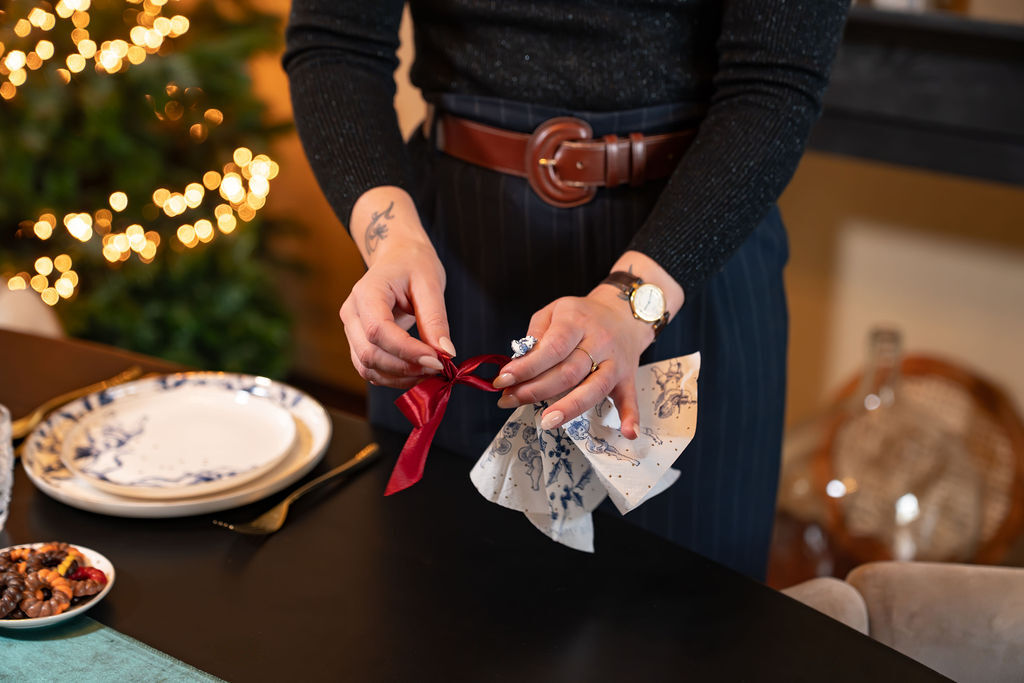
Napkin folding is an art form that has been practiced since the 17th century. During this time, it even experienced a true "Golden Age." Napkin folding was considered a serious art form, and in the German city of Nuremberg, a special school was established to teach people this skill. Butlers in noble households had shelves full of books with folding instructions and patterns, as table decoration had very specific requirements.
The folded napkin became especially popular during the reign of Louis XIV, the Sun King of France. Everything during that time was bigger, more colorful, and more extravagant, from clothing to table decor. A napkin was no longer just a simple cloth on the table but became a work of art in itself, shaped into animals, mythical figures, natural elements, or even architectural masterpieces.
At one point, napkin folding even became a popular way to convey a personal message at weddings. The bride and groom would exchange folded napkins with specific shapes so that guests could tell whether they were a friend or family member of the bride or groom.
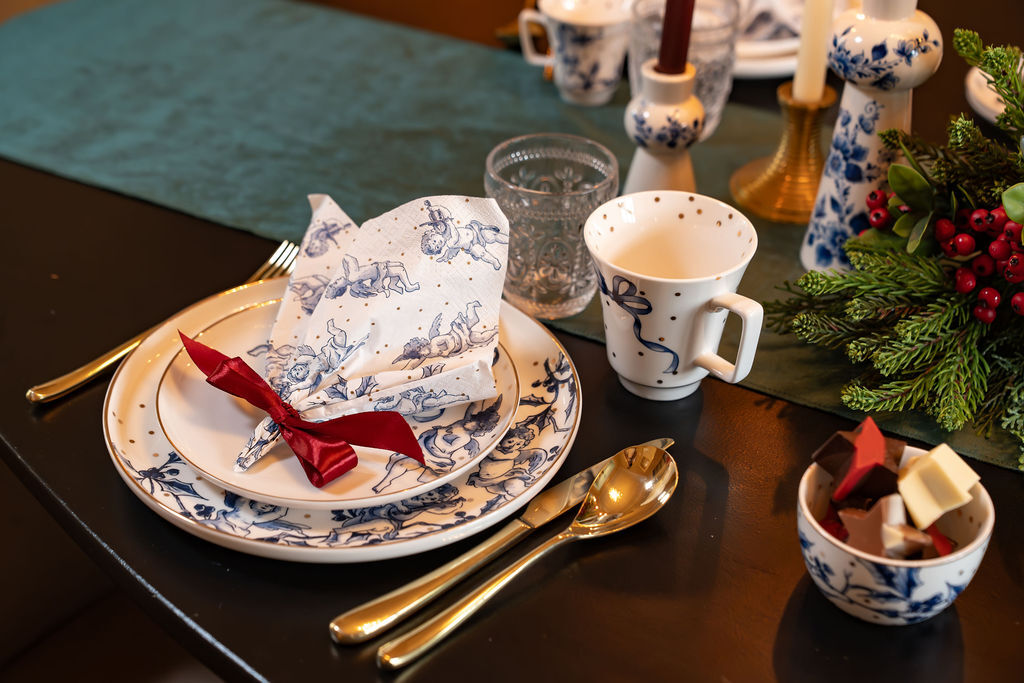
Though the art of napkin folding faded somewhat in the 19th century, when table decorations in the form of napkins were replaced by porcelain artworks, it remains a special tradition that still evokes memories of a bygone era of elegance and refinement.