Ordered Monday to Friday before 3:00 PM, shipped the same day
Worldwide shipping
Well and securely packed
Heinen Delfts Blauw
Login
Favorites
Back to Blogs

Our Story

Heinen Delfts Blauw is celebrating fifty years — half a century full of moments to be proud of! Just like the development of Delft Blue pottery, the growth of Heinen Delfts Blauw has been a continuous process. A growth that arose naturally from talent, dreams, and a bold dose of courage. Together, we look back at the company’s humble beginnings and the challenging fifty years that followed.

1975

Spakenburgse Dagen

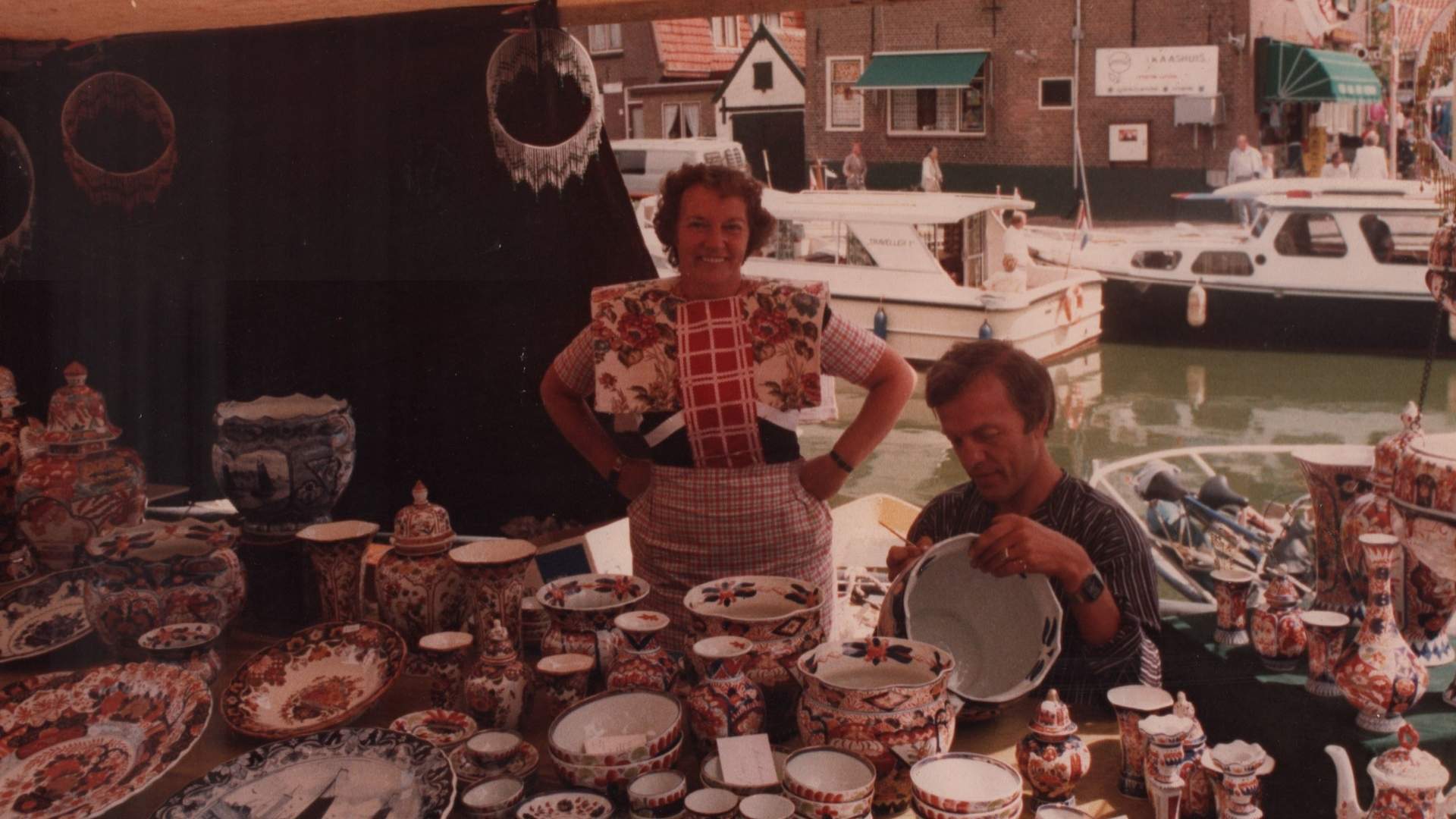
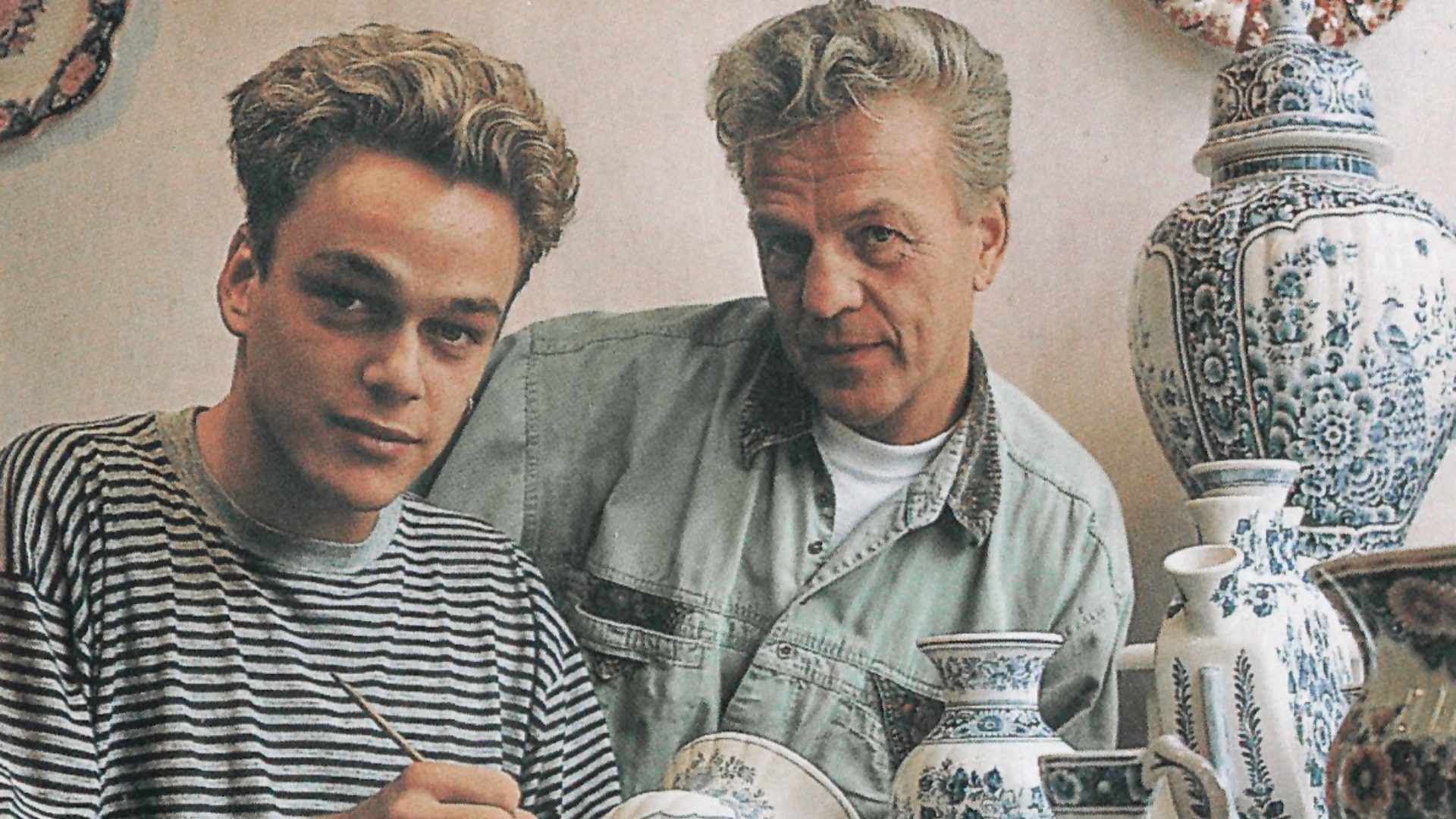
At the market in the fishing harbor of Spakenburg, Jaap Heinen bends over a vase. His brush carefully follows the rich patterns of Japanese Imari porcelain. With a steady hand, he gives the pottery character and shine. The colors of iron red, cobalt blue, and gold leap from the white surface — an oriental brilliance that stands out among the modest Dutch market stalls. Passersby pause and watch with admiration over the master painter’s shoulder. “My parents would fill the trunk of the car with vases and painting supplies to sell and paint at the Spakenburg Days market,” recalls CEO Jorrit Heinen about the beginnings of the family business. “My father’s work was so popular that by August he was fully booked with commissions right through to Christmas. He even received requests to paint traditional costumes!”
1975

Studio in Putten

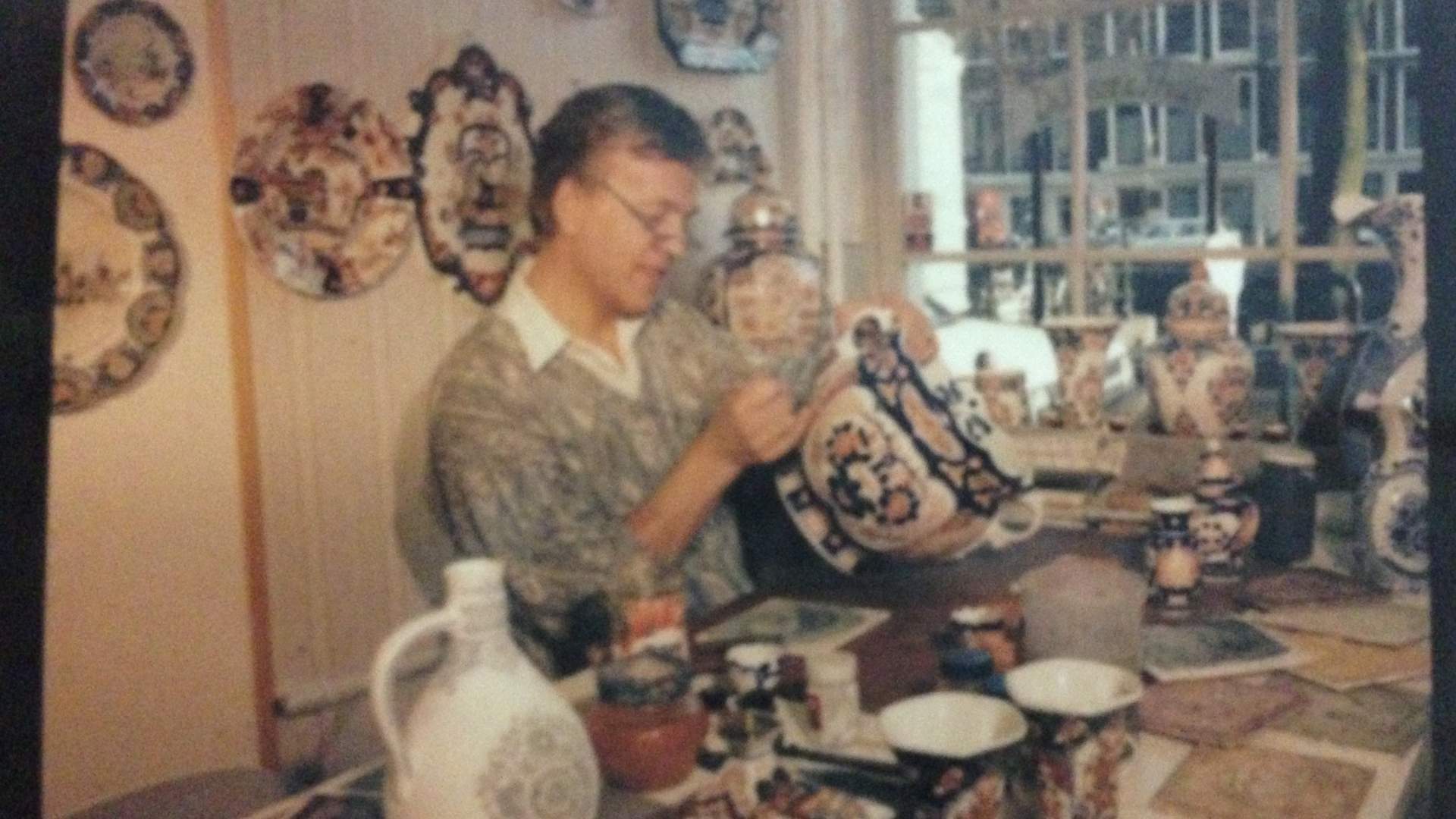
The number of requests for painting commissions grew rapidly, and in the meantime Jaap Heinen’s young family moved to Putten. “This is where my father started his first studio,” Jorrit recalls about their move to the village on the Veluwe. “He taught himself the entire production process of Delft Blue pottery — from creating designs, mastering the distinctive painting style, to glazing and firing at the right temperatures. His craftsmanship developed quickly, and customers from all over the Netherlands found their way to the small studio.” Son Jorrit began apprenticing with his father at an early age, learning the finer details of the craft. When he sold a self-made plate for 25 guilders, his entrepreneurial spirit was awakened. “For my father, my involvement was an extra motivation to take his hobby seriously, and one day he said to me: ‘we should start looking for a little place in Amsterdam.’”
1985

Prinsengracht Amsterdam

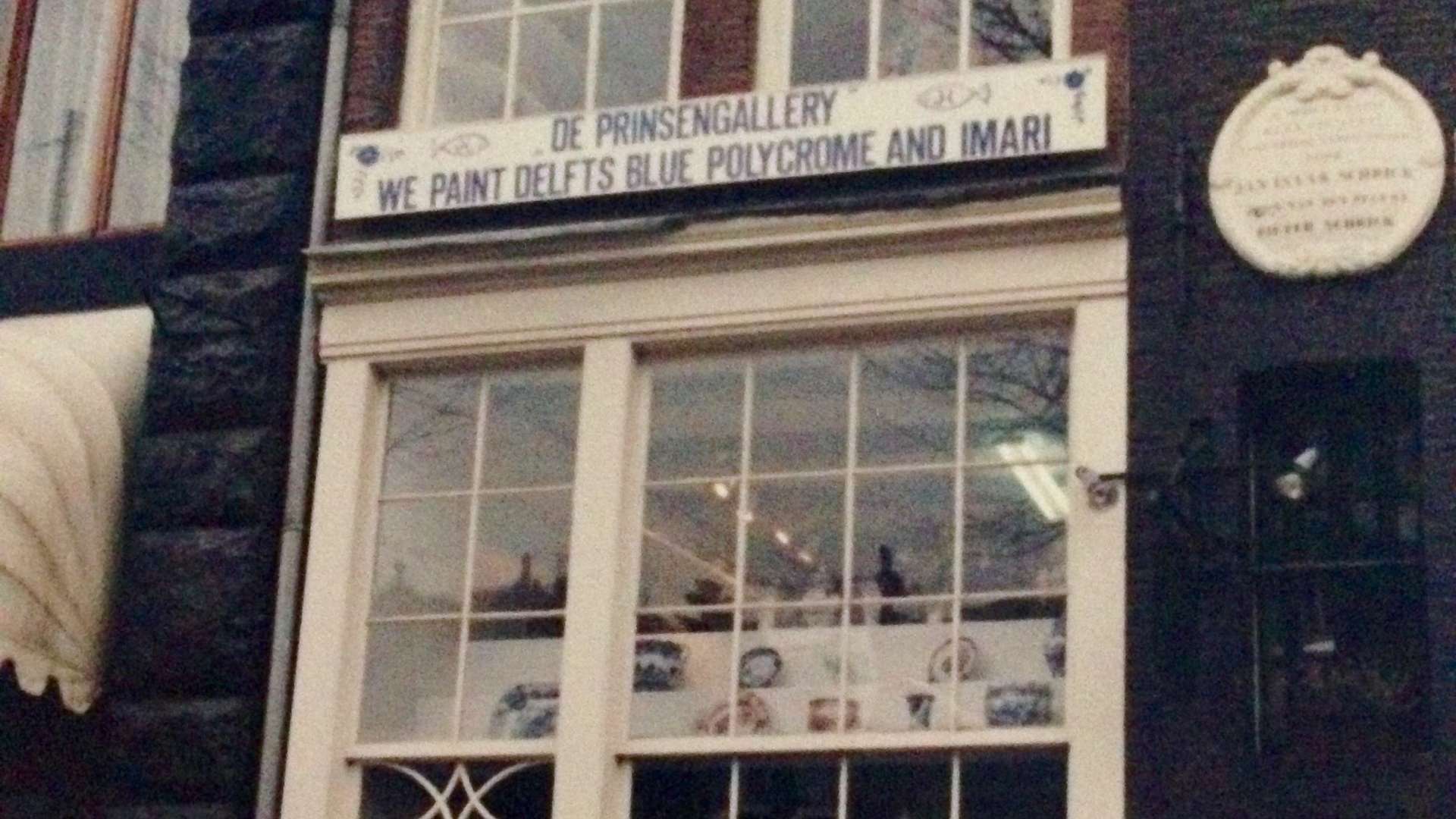
No sooner said than done. In 1985, Jaap Heinen bought a small shop on the Prinsengracht in Amsterdam. While father and son worked in their new space, passersby would look over their shoulders. Curious tourists were delighted to watch the entire creation process unfold. Sales of their pottery continued to grow.
1993

Changing of the Guard

At the age of sixteen, Jorrit went to work for his father, but since 1993 the roles have been reversed. Jorrit took over the two-man company and dreamed of expanding it both nationally and internationally. To run a business entirely focused on the production of Delft Blue pottery, you naturally need to fully master the craft. “I’ve personally gone through and carried out every step of the Delft Blue production process,” Jorrit explains. “I also broadened my knowledge internationally at fellow companies and delved into the history of Delft Blue. We taught ourselves how to make molds, how to compose the right clay, how to create the iconic paint, which glaze works best, and at what temperatures to fire to achieve the perfect result. The process is incredibly complex, especially for the level of quality we deliver. It’s a constant effort to source the right ingredients from around the world. My role now is mainly to ensure the right people are in the right place, so their knowledge and talent can shine. Only then can the company continue to operate at this level.” In the early days, the small family business sold only their own hand-painted work, but under Jorrit’s leadership the company opened multiple stores in Amsterdam and Delft, where Delft Blue products from other factories were also sold.
2007

Delft Blue souvenirs

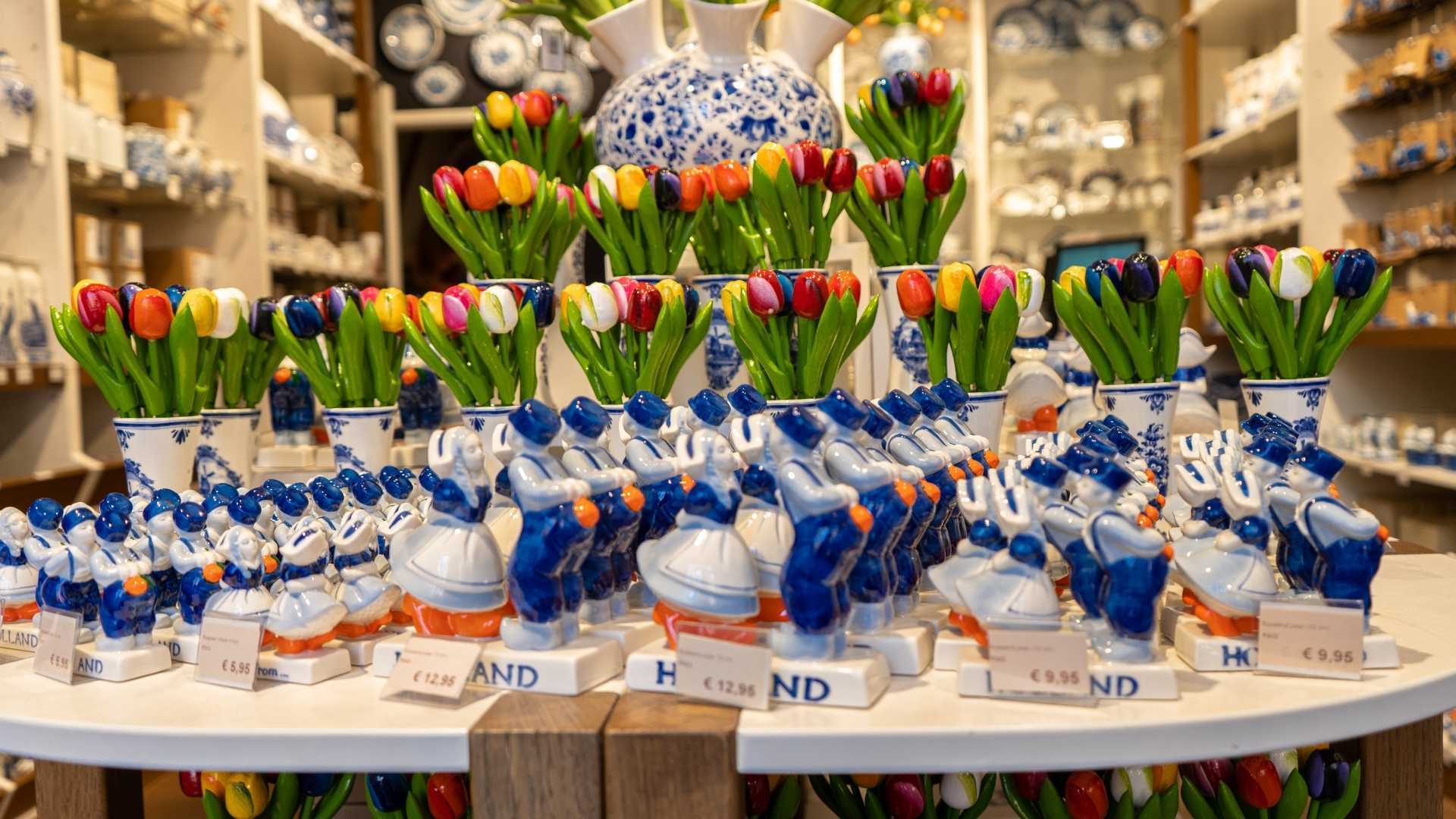
From the end of 2007, the economy began to slow down. Tourists from the American middle class — until then the main customers of Heinen Delfts Blauw — stayed away. Hand-painted Delft Blue was purchased far less, and the company faced an important business decision. “Delft Blue is one of the icons of the Netherlands. Over the centuries, the Dutch have increasingly come to identify with it. Sometimes Delft Blue fits perfectly within current fashion trends, and sometimes it doesn’t,” Jorrit reflects on the decline in sales. “But we also see that the trend keeps coming back. It has been that way for centuries. Delft Blue is here to stay; it has truly become part of Dutch identity and culture. It’s up to us to keep this tradition alive, and that means sometimes looking at it with a fresh and daring perspective.” For that reason, Jorrit decided to start producing Delft Blue souvenirs in addition to their hand-painted products. To keep quality and delivery times under control, the time had come to open their own pottery factory.
2010

Back to the Far East

The origins of Delft Blue pottery form a fascinating story of exotic destinations, perilous sea voyages, and the creative trading spirit that helped make the Netherlands great. Delft Blue is known as Dutch heritage, but in fact its roots lie in China. Specifically, in Jingdezhen — the world’s porcelain capital since the Ming dynasty (1368–1619) and now a sister city of Delft. The porcelain from Jingdezhen was of such high quality that all the great emperors had their kilns there, which is why porcelain from Jingdezhen is still considered the finest in the world. To produce Delft Blue souvenirs on a large scale, Heinen Delfts Blauw opened its very own factory in China in 2010. The new souvenirs are recognizable and functional, yet truly beautiful. Not cheap trinkets from the Netherlands, but cherished keepsakes of a wonderful visit. This focus on the souvenir market proved to be a wise move for the company. As the souvenir market continued to grow, Heinen Delfts Blauw also began to cautiously look ahead. The first steps into a new market were taken: Home & Living. After all, why stop at making memories, when Delft Blue can also brighten up everyday life?
2020

The whole world in lockdown

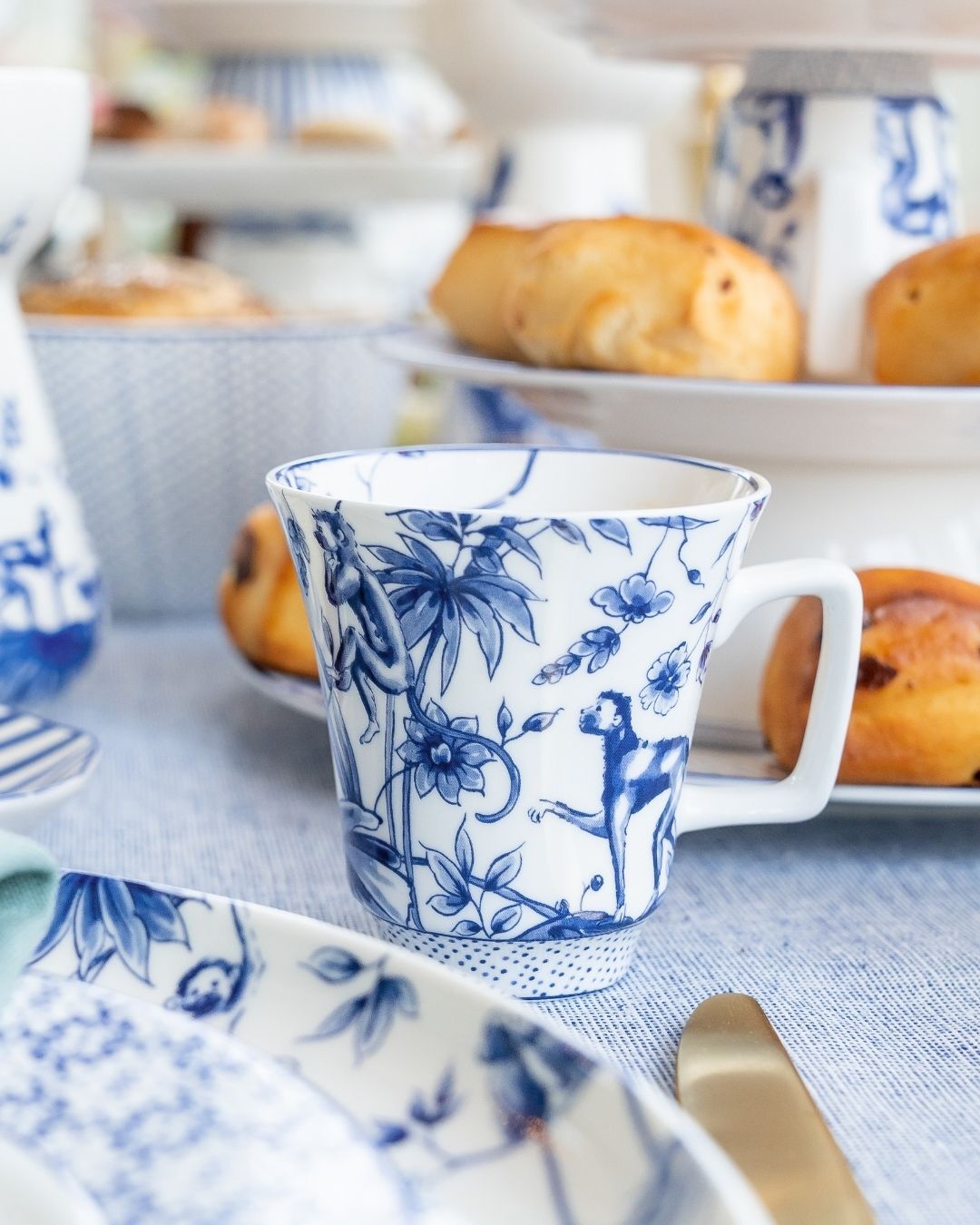
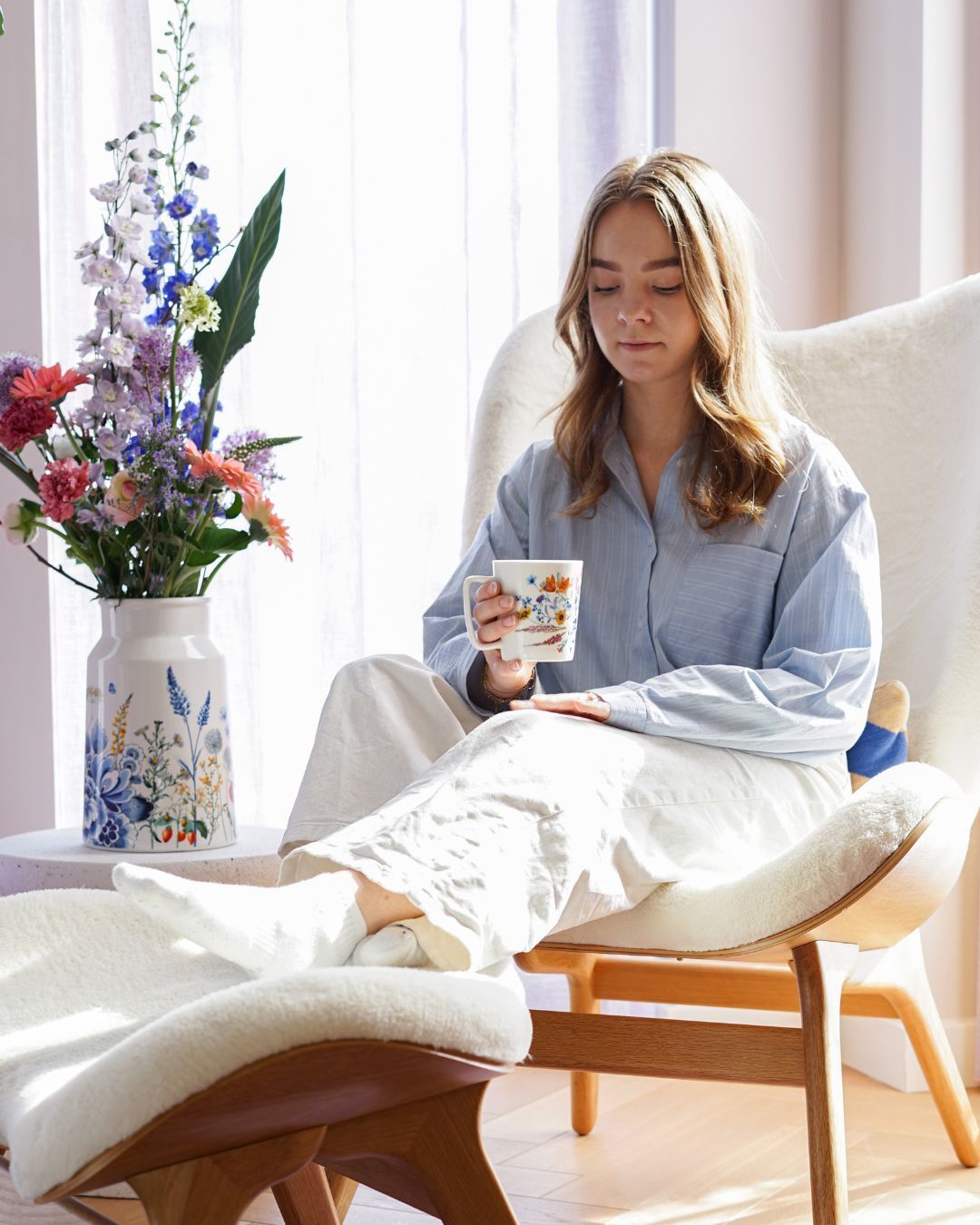
Ten years later, the company once again faced difficult choices, just like the rest of the world. With the outbreak of the COVID-19 pandemic, the entire country went into lockdown. Tourists stayed away in large numbers, and the shops had to close. But where business seemed to grind to a halt, at Heinen Delfts Blauw something new began to move. The first steps toward Home & Living had already been taken, and during the pandemic — when everyone was forced to spend more time at home — the demand for a beautiful and cozy living environment grew. “The pandemic was not an easy time,” Jorrit recalls of the drastic lockdowns. “Our beloved factory, De Delftse Paauw, had to close, the shops remained empty, and tourism dried up completely. That’s when we decided to accelerate our focus on the Dutch customer instead of the tourist. It was a risky choice to steer the ship in a new direction, but we always think in terms of opportunities and possibilities — and that mindset has brought us to where we are today. We grew by going against the tide.”
2025

Exploring new horizons

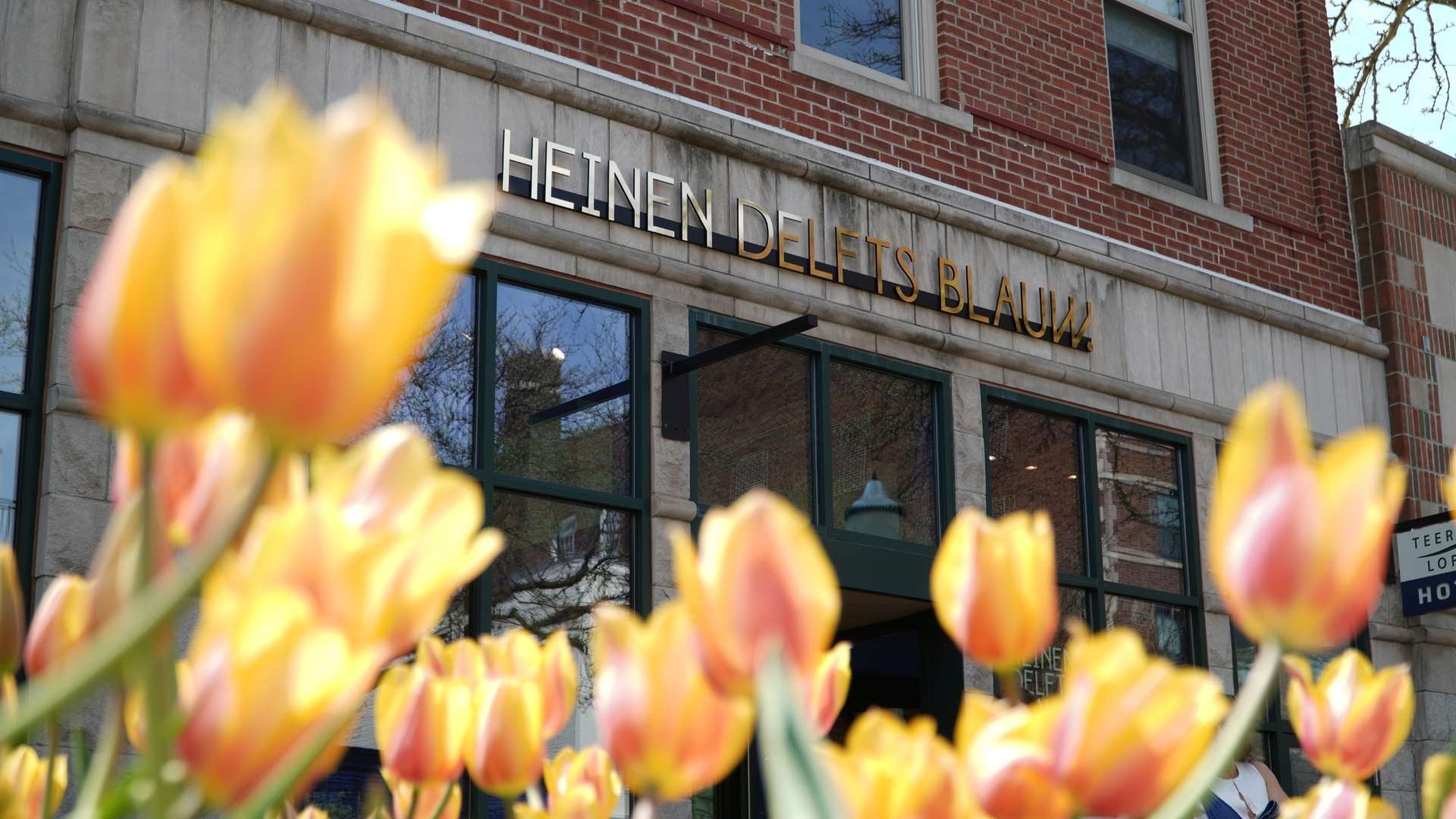
The course toward the Home & Living market turned out to be a successful choice. Heinen Delfts Blauw opened new stores in the Caribbean, and an old dream of Jorrit’s finally came true: his son Maurits — the third generation of the Heinen family in the company — opened the very first Heinen Delfts Blauw store in the United States. “It has long been a dream of mine to open a store in America as well,” Jorrit says proudly. “American tourists were, for many years, our most important customers when my father and I first started out on the Prinsengracht. They have a deep love for artisanal products from Europe, where many of them have their roots. We already have plenty of experience creating souvenirs for the American market, but I believe now is the right time to introduce them to our Home & Living collections too.”
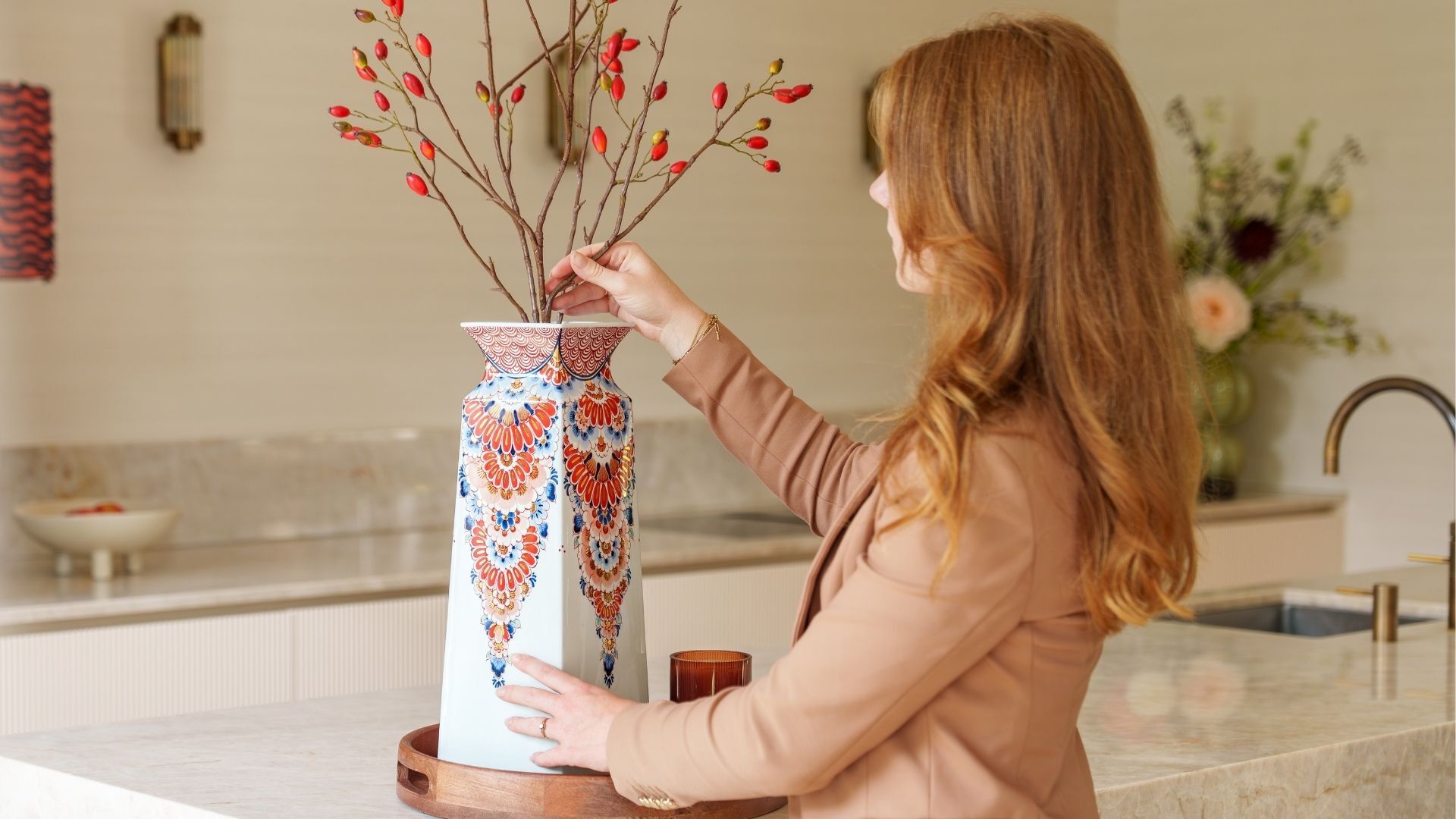
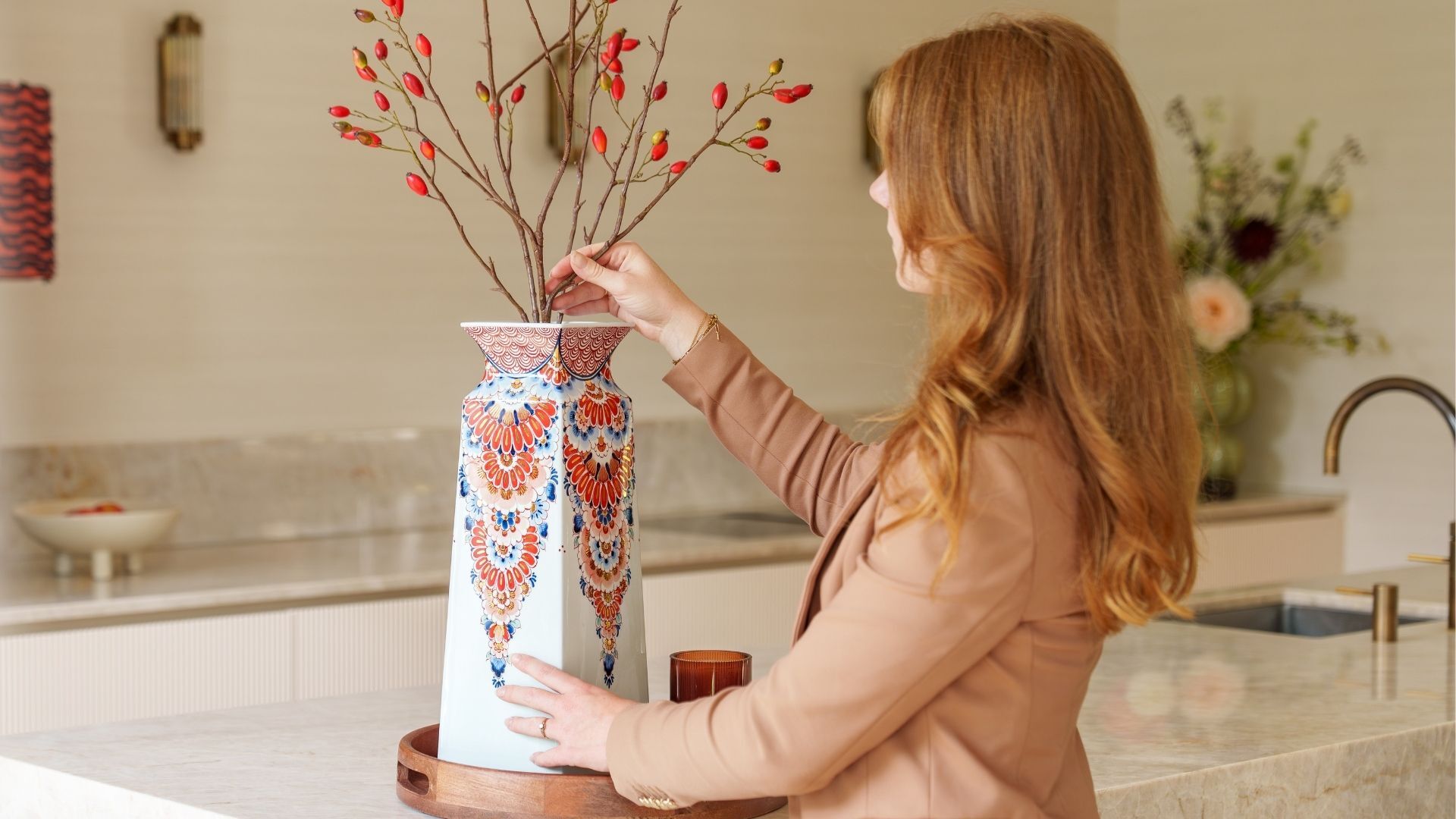
Today, fifty years later, Heinen Delfts Blauw has grown into the largest producer of Delft Blue products worldwide. Its own stores in Amsterdam, Delft, Putten, as well as on Bonaire, Curaçao, and in the United States, are bustling with national and international admirers. The collections range from classic to modern and are appreciated around the world for their quality, craftsmanship, and distinctive style. From hand-painted vases to collaborations with designers and artists, the family business continues to reinvent itself without losing sight of its origins. The shimmer of gold on Imari porcelain was the very first spark — a spark that ignited a burning passion for craftsmanship, ceramics, and painting. That passion has made Heinen Delfts Blauw a name to be proud of for half a century. Creating New Traditions. And we’re only just getting started.

Heinen Delfts Blauw

50th anniversary

Celebrate with us

28-08-2025
Heinen Delfts Blauw is turning fifty. Half a century filled with moments to be proud of! Just like the development of Delft Blue pottery, the growth of Heinen Delfts Blauw has been a continuous process. A growth that arose naturally through talent, dreams, and a generous dose of courage. Together, we look back at the company’s humble beginnings and the challenging fifty years that followed.